WHCC Launches #WhyCare Fundraising Campaign to Raise Awareness of Health Inequities in Canada

(Toronto, ON. November 30, 2021) Today Women’s Health Collective Canada (WHCC) launches #WhyCare, a campaign to raise funds and awareness for health issues affecting women.

Due to a legacy of inequity in the healthcare process, women’s unique health needs continue to be misdiagnosed, misrepresented and misunderstood. Through initiatives such as #WhyCare WHCC is working to change this by funding groundbreaking research and leading a call for public support for more research and awareness of the health issues affecting women.

The #WhyCare campaign will use omni-channel marketing (social media, traditional media, and owned content) to draw attention to the gender health gap in Canada, while calling on individuals and organizations to donate to WHCC.

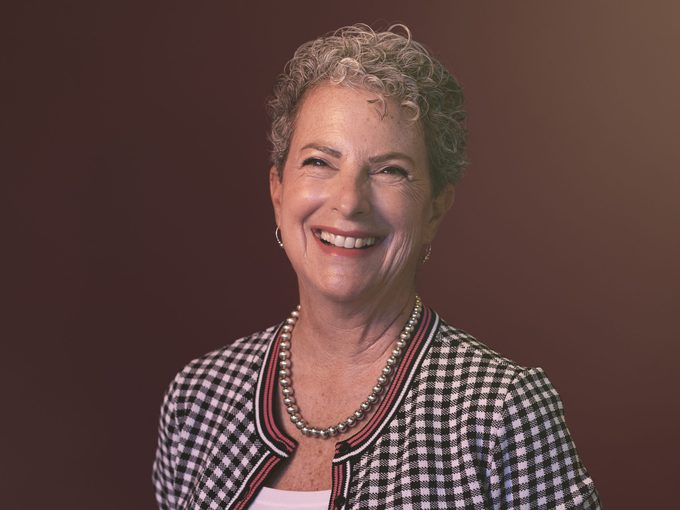
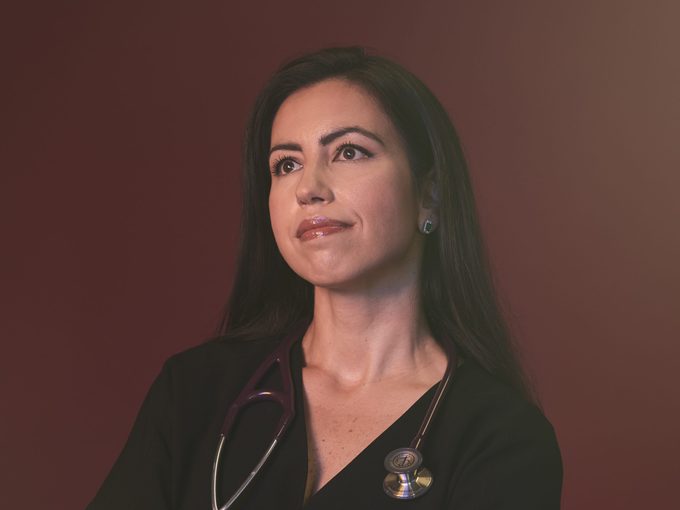
The campaign kicks off today with the #WhyCare Challenge, a social media initiative which asks Canadians to share images of the women that inspire them to care about women’s health, donate, and tag others to do the same.

THE #WHYCARE CHALLENGE

TIMING: November 30 (9 am) – Onward

HOW IT WORKS:

  1. Post a photo of a woman who inspires you to care about women’s health using the hashtag #WhyCare.
  • This could be a mother, sister, friend, colleague or community member who motivates you to care about women’s health.
  • Tell us why she inspires you to care.
  1. Visit WHCC.ca to donate
  • Make a life changing donation – and encourage your followers to do the same – which will go to improving health outcomes for Canadian women.
  1. Nominate three others
  • Nominate three other people in your life to join the movement by posting a photo of someone who inspires them to care.

DOWNLOAD social media assets HERE.

WHCC also launched a new website and refreshed visual identity this month to coincide with the campaign. Visit the new whcc.ca.

Jennifer Bernard, President & CEO of Women’s College Hospital Foundation is available as a spokesperson for this campaign upon request.

ABOUT WHCC

Women’s Health Collective Canada (WHCC) was created by three of Canada’s leading women’s health and hospital foundations – BC Women’s Health Foundation, Alberta Women’s Health Foundation, and Women’s College Hospital Foundation – to break the barriers holding us back from providing women with the knowledge and care they deserve. Through intentional collaboration, WHCC brings resources, fundraising, and some of the brightest minds in science and healthcare together to address the wider gaps we can’t tackle on our own.

Women’s Health Collective Canada Announces Collaboration With TD Bank Group Through TD Banks’ Funding Of The Obix Perinatal Interface System And Cervixcheck Programs

TORONTO, EDMONTON, and VANCOUVER: Oct. 8, 2021 – Today, Women’s Health Collective Canada (WHCC) has announced that TD Bank Group is collaborating with Alberta Women’s Health Foundation and BC Women’s Health Foundation over the next two years.

Funding will be directed to both the OBIX Perinatal Interface System and CervixCheck programs run by two of WHCC’s founding hospital foundations – Alberta Women’s Health Foundation (AWHF) and BC Women’s Health Foundation (BCWHF). Support is being provided through the TD Ready Commitment, the Bank’s global corporate citizenship platform, and will help to accelerate progress towards elimination of cervical cancer and reduce the gap in perinatal care in Canada.

“We are very excited to announce this collaboration with TD,” said Sharlene Rutherford, President and Chief Executive Officer at Alberta Women’s Health Foundation Health Foundation and founding partner of WHCC. “Their support helps us fulfill our mission to build a more equitable and inclusive future for women’s healthcare in Canada.”

“TD’s collaboration with WHCC is a testament towards their dedication to women’s health in Canada,” said Genesa Greening, President + CEO at BC Women’s Health Foundation and founding partner of WHCC. “We look forward to having TD as a supporter for the next two years.”

The OBIX Perinatal Interface System is state-of-the-art technology designed to integrate a mother’s medical documentation with fetal surveillance. OBIX helps clinicians deliver integrated and informed care to all patients, whether they are in or out of the hospital. OBIX integrates seamlessly with Connect Care, the electronic medical record platform currently being implemented province-wide by AHS. This integration will allow medical teams to see the patient’s complete medical history as well as monitor fetal activity simultaneously on one screen.

With the support from TD, this program will impact the lives of thousands of women and children by creating a virtual and accessible bridge to the specialized medical care team and services at Lois Hole Hospital for Women (LHHW).

CervixCheck is a digital health initiative being piloted within the ACE (Accelerating Elimination of Cervical Cancer in Canada) program. CervixCheck offers self-collected HPV-based screening to women who are under screened with the goal to improve access to screening. Through CervixCheck, people due for cervix screening are informed of this service by their health care provider and invited to register through the online platform. They then receive a cervix screening kit in the mail and easily and safely complete self-collected cervix screening at home and return the kit in the mail to the testing laboratory. Women who test positive for high-risk (cancer causing) strains of HPV are contacted and referred for further management and follow-up.

This support from TD will expand the reach of CervixCheck to underserved women, helping to bridge the gap to the lifesaving screening they need.

“For All Those Years, No One Told Me Anything”

This article by Christina Frangou originally appeared in Best Health Canada on September 3, 2021.

Roop Bassra, 38, shares her story of living with endometriosis — and how a lack of access to resources led to a delayed diagnosis and treatment.

I got my period when I was 11 years old. From the get-go, I got it every 14 days. My family doctor put me on birth control—he said my hormones were out of whack. I stayed on birth control until I was 23. I wanted to try life without it. About a year and a half later, I started getting a sharp, shooting pain in my abdomen, even when it wasn’t my period time. It scared me. My family doctor knew right away that it was endometriosis. I was really lucky in that sense. But the options were the pill or surgery. I didn’t want surgery, so I went back on the pill.

A couple of years later, I started nursing school, and my periods were getting worse. By the time I hit 30, I was missing days of my practicum because I couldn’t get out of bed. An ob-gyn sent me for surgery, which revealed I had endometriosis—they burned off quite a bit of it. By then, I was married and trying to get pregnant, so I stayed off the pill. My periods were still painful. The doctor said that would happen for a few months, but it just got worse. A year and a half after my first surgery, I went in for a second. The surgeon told me that all the endometriosis had already been removed, and I shouldn’t be having pain, but I was barely able to work. At some of the worst times, I’d look at the patients and think, I deserve to be lying down there.

But I just pushed through, and thought, ‘This is the way I have to live’. A friend sent me an article about a New York specialist. That’s where I learned about excision surgery. I had met a patient at work who had endometriosis, and she told me about the [specialized endometriosis clinic at] B.C. Women’s Hospital. I got a referral through my GP to the Centre for Pelvic Pain & Endometriosis, but there was a wait-list just to see someone and another wait-list for excision surgery. I couldn’t wait that long. I ended up flying to the United States for surgery.

I’d also developed adenomyosis, where the endometrium breaks through the muscle wall of the uterus. The surgeon told me to be monitored if I got pregnant naturally, because the pregnancy might not go as long as a normal pregnancy should. But I couldn’t get pregnant naturally. I started IVF but, again, my pain just got so severe when I was off birth control. Eventually, I stopped working.

I ended up having a hysterectomy at 36. I would say life is 50 percent better since the hysterectomy. Not having periods rule me has been life-changing, but I still suffer from endometriosis and have fatigue and nausea from that. I still need to see an excision specialist to remove the endometriosis. I’m still unable to work. I get sick very easily if I eat the wrong thing.

Not being able to get pregnant was one of the most painful journeys, physically and mentally. I battled a lot of depression and anxiety. It affects my husband’s life as well. I know you have to look at your life and think, What can I do moving forward to make myself happy again? Even if I don’t have kids, it’s still worth living.

I wonder why nobody looked at my 11-year-old self and thought, Why is she having periods every 11 to 14 days? For all those years, no one told me anything. I had endometriosis, most likely, and I never knew. An earlier diagnosis and access to specialists could have prevented it from getting this severe. Having more specialized centres would be beneficial, because there are so many of us who need help.

CTV Calgary x WHCC: Women’s Health Care

Sharlene Rutherford, President and CEO of the Alberta Women’s Health Foundation went on CTV News Calgary to discuss the Women’s Health Collective Canada. She overviews the knowledge gap surrounding women’s health due to years of exclusion from medical trials, and how we can narrow this gap through accelerating research into women’s health through the WHCC, ensuring better representation and more accuracy for women in the medical field. Take a look at the clip below to learn more about the work underway by the WHCC.

“I Am Astounded That I Survived”

This article by Sadaf Ahsan originally appeared in Best Health Canada on August 19, 2021.

The story behind a misunderstood and often misdiagnosed heart condition that’s affecting Canadian women

In the months leading up to the birth of her first child, Sudi Barre, a 36-year-old former social worker who lives in Edmonton, was told by her doctors that she was a “textbook ideal pregnancy”—healthy and fit, she was still working close to her due date and even hiking up until a week before. “I was feeling uncomfortable with how comfortable I was,” she recalls now with a small, knowing smile.

But on a warm morning in August 2017, while recovering in hospital from an emergency Caesarean, Barre began to experience excruciating pain down her neck, between her shoulders and down her arm  to her elbow. She couldn’t breathe, and she was worried she wouldn’t survive to hold her child. At first, she was told by a nurse to “walk it off.” But eventually, the attending physician ordered an electrocardiogram (ECG), which revealed Barre had experienced a heart attack. Doctors placed a stent in her heart, but things only grew worse as she then experienced what she estimates was at least another seven heart attacks over several weeks. The medication—along with the pain and fear—was copious.

After later being transferred to the Mazankowski Alberta Heart Institute, Barre was diagnosed with spontaneous coronary artery dissection (SCAD), the result of a tear in an artery wall, which leads to blood building up between the layers of the wall and blocked or reduced blood flow to the heart. That, of course, can lead to a heart attack or cardiac arrest. Dr. Sharonne Hayes, a cardiologist, professor of cardiovascular medicine and lead researcher for the Mayo Clinic SCAD Research Program, puts it simply: “I have sometimes described the dissection as like a blister within the layers of the artery. It can hurt as the layers of the blister split and the pressure builds up like a bruise. If it fills up and bulges enough, it can block the flow of blood going past it or, if the pressure builds up, it can burst open, leaving a free layer of artery that can also flap around to obstruct blood flow.” To mitigate the issue for Barre, whose heart function had dropped to just three percent, a mechanical pump called a left ventricular assist device (LVAD) was implanted to help her heart pump blood.

According to the Heart and Stroke Foundation, 90 percent of all SCAD cases are women between the ages of 30 and 60. Most are young and healthy. And although the cause of SCAD is still unknown and there are no warning signs, people who are most at risk include pregnant and postpartum women, those with fibromuscular dysplasia (FMD) or connective tissue disorders and those who experience considerable mental and physical stress, all of which can lead to weakened artery walls. Surgery can be high-risk, and treatments are conservative. These include taking beta blockers to reduce blood pressure or Aspirin to lower the risk of a clot forming in your torn artery. If the tear is severe, surgery can mean an angioplasty, an implanted defibrillator or a coronary artery bypass grafting. The current mortality rate is estimated to be about 70 percent, while the recurrence rate is two to 20 percent per year.

The diagnosis was difficult for Barre to grasp. It left her in the hospital for a total of eight months—the first eight months of her child’s life.

“I felt detached. I was still recovering from the Caesarean,” she says today. “It all happened so fast. How do you process that and then decide to move forward? I hadn’t experienced such a massive health challenge before, so I was in shock for most of it. By the time I got the diagnosis, I was in such disarray, mentally and physically. I went to the hospital to deliver, and here I am, weeks and weeks later, with the doctors not knowing how to manage my pain.”

Of the many numbers associated with SCAD, the one that never leaves Barre’s mind is 17. That’s her ranking in the list of Canadian patients to officially be diagnosed with SCAD, which shows just how little awareness had accrued by the time she found herself giving birth and experiencing a pain she never had before. Although uncommon, SCAD is the leading cause of heart attack among women who are pregnant or have recently given birth and women under the age of 40, and is estimated to be the cause of one to four percent of heart attacks overall. In fact, SCAD has long been under- and misdiagnosed, as it can be difficult to detect on angiograms, and blood thinners and stents can actually do more harm than good, creating more tearing in the heart’s artery walls. And because many of those who experience it are younger women—who do not often experience heart disease—their symptoms are often misread and their concerns ignored.

“SCAD is a perfect example of where we need to do so much more with respect to research,” says Dr. Paula Harvey, director of cardiovascular research and physician-in-chief of medicine at Women’s College Hospital in Toronto. “Then we can increase awareness and learn how it differs across different populations and how it’s best diagnosed and treated. Because we’ve started doing research in the last decade or so, we’re recognizing it’s probably more prevalent than we previously understood. But we still have a lot of gaps in our understanding because not only is it a different way of presenting with a heart attack, but it tends to affect younger women. This can build a lot of barriers to women being diagnosed accurately because of the tendency and unconscious bias that young women don’t have heart attacks.”

That lack of research was particularly challenging for Barre, who says the more she tried to find out about SCAD, the more questions she had. This was also the case for Risa Mallory, a 64-year-old retired psychotherapist who was diagnosed with SCAD in November 2018. For her, it wasn’t entirely a surprise, as her mother had died prematurely from atherosclerotic heart disease at the age of 59 after her second coronary artery bypass graft. Mallory thought her initial chest pains may have been due to angina, but they kept returning “with a vengeance,” she says. She eventually went to the ER, where, due to her family history, she was prepped for an urgent angiogram. She woke up intubated in the cardiac care unit 16 hours after checking in, “not knowing what had happened but being petrified.”

Risa Mallory Photographed By Jessica Deeks

RISA MALLORY, PHOTOGRAPHED BY JESSICA DEEKS

During her angiogram, Mallory had gone into cardiac arrest and cardiogenic shock, and was put into a medically induced coma to slow her bodily functions, with a heart pump to assist cardiac blood flow. Three stents were tenuously placed in each of the main arteries on the left side of her heart to hopefully finally restore blood flow.

“Every time I tell this story, I am astounded that I survived and did so without any major residual symptoms, organ damage or dysfunction,” recalls Mallory, adding that the other most shocking aspect came while she was still in Arizona. “My husband was doing some research to better understand what happened to me and stumbled upon a diagnosis of SCAD. When he asked the cardiologist with over 30 years’ experience who had performed the angiogram and truly saved my life about SCAD as a potential diagnosis, he said, ‘What is that?’ He had never heard the term,” she said. “I was medically cleared to [head] home six weeks later, still not knowing what my diagnosis was. Was it SCAD? Was it iatrogenic dissection caused by the catheter or dye or both? Was it microvascular disease? Not having a definitive diagnosis was very difficult for me, as I felt adrift without a compass or anchor to guide me in this uncharted territory.”

Although the research is relatively thin, in recent years, a few key figures, including Dr. Jacqueline Saw, a cardiologist at the University of British Columbia, have been making inroads. She and a team of international researchers, with support from the Heart & Stroke Foundation and a database of 3,000 Canadian patients, recently discovered a series of common genetic factors among SCAD patients. The key one is a gene called ADAMTSL4, which regulates a protein found in the wall of the heart artery, which is where SCAD typically occurs, and could help identify why the artery weakens and tears. Saw’s team has also found similar genetic risk factors between SCADFMD and migraine headaches, and discovered that more than 56 percent of patients studied experienced an emotionally or physically stressful event (for example,  pregnancy) sometime ahead of their SCAD.

Saw also developed a classification to analyze coronary angiograms—which help locate the tear and its measurements—to help doctors detect SCAD. Meanwhile, Hayes has created an international virtual disease registry of SCAD patients (now the largest in the world) and a DNA biobank to help identify the causes, optimal treatment and risk recurrence for SCAD.

“When I went to cardiology school, I was taught that SCAD mainly happened in women after birth, and it was like a paragraph in a textbook,” recalls Hayes. “The other thing I was taught is when I’m looking at the angiogram of somebody who has this, I’m looking for a flap and a separation between the layers of the artery.”

Since then, she and her team have discovered that most SCAD patients actually do not have a flap but a bleed or a split between the artery that is contained, which is called an intramural hematoma. That confusion means that up to 80 percent of SCADs have likely been missed—if they even got to the angiogram stage.

Hayes’s team has also shown that the majority of patients who have SCAD actually have a systemic disorder of their arteries, including FMD, which itself is quite common. That means SCAD is “maybe not completely out of the blue,” Hayes says, but something someone who already has fragile arteries is more predisposed to.

The importance of cardiac rehabilitation to improve physical and mental recovery after SCAD has also recently been spotlighted, with women not only less likely to be referred to it (due to their younger age) but less likely to complete it. Rehab typically entails exercise and education tailored to what a patient may be living with—as SCAD can alter one’s entire lifestyle, from diet to physical activity—and offers the space and resources to discover the body’s new limits.

Dr. Thais Coutinho, division head of cardiac prevention and rehabilitation at the University of Ottawa Heart Institute and associate professor of medicine at the University of Ottawa, is chair of the Canadian Women’s Heart Health Centre, which works to close the gaps and improve women’s heart health care, raise awareness of heart disease in women and broaden research. The centre includes programs dedicated to providing peer support for women with SCAD. The hope, says Coutinho, who trained under and was inspired by Hayes at the Mayo Clinic earlier in her career, is for patients to regain confidence in their bodies.

“It can be something that can be overcome, or it can be something that can give you PTSD,” says Coutinho. “So we make sure we take care of our patients’ mental health just as carefully as we take care of their heart. In cardiac rehab, they’re going to learn what they can do, how they can do it safely, how to monitor their bodies. But what has been so great for our patients is the peer support program. Because what I tell them is, even if I was the best doctor in the world and I knew everything there was to know, there’s still a part of their recovery I cannot help with simply based on the fact that I have not had SCAD myself. I do not know what it is to walk in their shoes. This program fills those gaps, because they meet other patients like them.… They need to see others who have survived and thrived.”

Mallory, who requested to be transferred to Coutinho’s clinic soon after being diagnosed with SCAD, says, “This validation was an immense burden lifted from me. I ‘belonged’ to a group. I could research the medical papers. I could explore various points of view on the emerging literature about etiology, treatment, lifestyle management and prognosis. I could share my story, and learn from other SCAD survivors who understood the journey. I had a clear route to a more fulsome healing.”

In fact, four weeks post-discharge, Mallory joined a SCAD peer group where she listened, learned, commiserated and participated—”I moved so much further in my mental and emotional healing journey,” she says. She is now a group facilitator and a SCAD advocate. “Even without committing to anything structured, each of us can contribute and raise awareness by having conversations with friends, family and even our own medical teams about our SCAD journeys and what makes women’s heart health and disease unique.”

Thais Coutinho Photographed By Jessica Deeks

DR. THAIS COUTINHO. PHOTOGRAPHED BY JESSICA DEEKS

However, SCAD research isn’t facing only a gender gap but a race gap, with an egregious majority of research registries and studies based on white patients. “That’s because of the gap in our research,” admits Hayes, who says she has seen SCAD patients of every race over the years. “I think if you looked at the registries, you may think this is a white lady disease, but that is not my experience. If you are a racial or ethnic minority or from a disadvantaged area, you are likely to receive less care, less prompt care and less accurate diagnosis.” That’s an especially tough pill to swallow as, Barre notes, “women of colour, by nature and culture, are more likely to put our needs aside as a caregiver for everybody. You become an afterthought.”

A key part of that journey, then, is advocating—for others and for oneself. As Coutinho says, “For many years, women have been excluded from research, and we still have a lot to catch up on, because this is also a relatively rare disease. But every year that goes by, we get smarter, and we certainly know a lot more than 10 years ago.”

Hayes is especially optimistic. “I founded our women’s heart clinic in 1998. And back then, women were just being ignored. They had classic symptoms and wouldn’t even get an ECG. That’s improved hugely. The challenge still is this younger group of patients, some of whom go in literally saying, ‘I have an elephant on my chest and radiation in my jaw, which goes down my left arm, and I threw up.’ You cannot make up more classic heart attack symptoms, and they are sent home. Some of these women have been traumatized by not being taken seriously,” she says “As important as understanding this condition is validating the experience of these women, whether they were ignored, misdiagnosed or went into a cardiac rehab that was tailored more to a post-bypass 80-year-old than a 35-year-old. It’s like they’re the square peg in a round hole. And then they have their doctors scratching their heads and saying, ‘Aren’t you interesting— you’re the first one I’ve seen!’ Nobody wants to be an ‘interesting’ case. I would consider myself among the SCAD experts in the world, and I still don’t have all the answers. But if you’re treated like an oddity or a fragile egg that could break any minute, because you have symptoms that a lot of cardiologists aren’t used to dealing with, it’s very frustrating and scary.”‘

Of course no one knows your body better than you, and that’s something to hold tight when speaking to a doctor and looking for a diagnosis. Coutinho, Hayes, Harvey, Barre and Mallory all recommend the following tips when explaining what you’re feeling to a doctor: Don’t be confrontational or challenging (“because nurses and doctors do have egos!” says Hayes); don’t be afraid to have someone there with you to validate your symptoms; use the words “chest pain” or “chest pressure,” which physicians have been trained to flag; use words like “heart attack” or “stroke” if you think you might have had either; humanize yourself by sharing your and your family’s history; do your own research and ultimately choose to be “curious, not furious,” in the words of Harvey.

If you are ignored or no tests are done, say, “I’m not leaving,” says Hayes. She adds, “There is this bias that women seek care for no reason. There is data to support the fact that women are less likely to be believed. And there’s multiple studies that show that women’s diagnoses and treatments are delayed for multiple conditions and compared to those for men.”

After their own experiences, Barre and Mallory have become health advocates. Today, between speaking at heart health conferences and being an entrepreneur and a mom, Barre’s day-to-day has considerably improved, despite not being eligible for a heart transplant due to her blood type and antibodies. In 2018, after she had a minor stroke, her doctors discovered her heart was operating at 40 percent. A month and a half later, she had her LVAD removed and was physically healthy enough to play with her son and carry him without worrying. Now, Barre advocates for women’s economic independence which, she says, “is the best way for women to gain their voice back.” Many SCAD patients are women who cannot afford to take a leave of absence while in recovery. Barre herself had to quit her job as a social worker, and she’s currently developing her own business. She refers to this as “sovereignty for the self”—a tool for empowerment.

For her part, Mallory still experiences mild symptoms of fatigue, shortness of breath and occasional chest pain. But she also golfs four days a week, takes hour-long walks every other day and continues to travel the world with her family. Much like Barre, she says, “I refuse to let my health and this diagnosis dictate the experiences I have and the memories I make with whatever time I have left.” In fact, it’s worth noting that while SCAD patients have a disproportionately higher rate of symptoms after the fact, most people who survive SCAD have a good prognosis, with so many more tools and resources available than a few years ago, when Barre and Mallory were diagnosed.

Meanwhile, lead researchers are continuing to hustle and find ways to prevent SCAD before it can happen. For now, though, Hayes says it’s important to remember that life goes on after SCAD—and pretty damn well, too.

“Gaining the competence to go do the things you need to do and live your life the way you want to is everything, because there is unfortunately a risk of recurrent SCAD. It’s small, but it’s definite,” she says. “And so what I tell patients is you have to live your life like it’s never going to happen again, to exercise for your brain and your bones and your heart. You need to get back to caring for your family, your hobbies and travelling, but you also need to be prepared if it does happen again. Just remember: You will feel confident about your future again. It does get better.”

“The Uncertainty Was a Big Piece. And I Couldn’t Get Answers”

This article by Christina Frangou originally appeared in Best Health Canada on June 15, 2021.

After having a heart attack, Vincenza Spiteri DeBonis, 64, shares her experience of learning to take care of herself and how heart disease affects women differently than men.

Five years ago, on March 8, I was washing dishes, and I felt a fatigue I have never felt before. It was a chore to stand there. I wanted to go to bed. But I was having people over for coffee. They came and went, and I had severe pounding in my chest but figured I should start dinner. I couldn’t tell you what was wrong. It wasn’t a pain. It felt like I just didn’t have enough room in my chest for the things I have in my chest, like my heart and my lungs. I took my blood pressure and my pulse—we have the equipment because we need to check my husband’s frequently—and both were very low. I called my family doctor and told her some of the things I was feeling. I said, “Can I come in and see you?” She told me to go to emerg. I thought, Well, that’s rather dramatic, but she insisted.

Looking back, I was quite worried about how it would worry my husband. He’s had significant health issues throughout the years, and I didn’t want to stress him. I’ve known him for 40 years, and we’ve been together for 25. We don’t have kids. That’s another layer of intensity because it’s just the two of us. I understood later that worrying about causing worry to others is a barrier women put in front of ourselves.

But off we went to the hospital I used to work at. Part of my work revolved around health equity. That included gender, but I never personalized it.

The doctor told me I had had a heart attack. I was in denial. I didn’t have the typical blockages or high blood pressure. My ECG was normal. But my cardiac enzymes were very high. I was going on my father’s experience—he’d had cardiac disease, and I’d looked after him, and his ECG was never fine. So I said to the doctor that I’d look into it and asked if I could go home. He said no. My husband was pulling out his hair—he was baffled that I thought I could go home.

In the end, they never did find out the reason for my heart attack. When I was being discharged from the hospital, the cardiologist said I was obviously under terrible stress, and that’s why I had it. That shocked me. I was upset and insulted. I wasn’t stressed. But it was very hard for me that they didn’t know why I had had a heart attack. How could I prevent this from happening again if no one knew what caused it? The uncertainty was a big piece. And I couldn’t get answers.

A close friend who had had heart issues a few years before told me to get a referral to Women’s College Hospital’s cardiac rehab program. When I asked my cardiologist, he said it hadn’t occurred to him that I would be interested in the program. Of course I’d be interested! It was life-changing. There was physical rehab and education. They were able to teach me how and when to use my nitroglycerine spray when I have angina. No one told me before that I should be using nitro spray if I continued to have chest pain. It was meaningful for me to be there with a group of women supporting women and talking to one another.

One of the biggest barriers for me to get care was I didn’t know I was in trouble. I didn’t know what the signs were. I didn’t worry about heart disease, even though my father had cardiac disease for many years and my mom died of a dissected aorta. That wasn’t my life. But I understand now that if I don’t take care of myself, then I’m not going to be able to take care of others.

Women’s Health Collective Canada Is Addressing the Gap in Women’s Health

This article by Christina Frangou originally appeared in the June/July 2021 print issue of Best Health magazine.

Too often, women in Canada are dismissed, neglected or misdiagnosed by their health care providers. A new alliance wants to change that for good.

A few years ago, Sharlene Rutherford, president and CEO of the Alberta Women’s Health Foundation, watched her mom with worry. Her mother was struggling with pain, heart irregularities and anxiety—things that would come up out of the blue. During a doctor’s visit, her mother gave a rundown of what she was going through. “He looked at her, pointed to his head and said, ‘I think it’s all up here,’” Rutherford recalls. But the family knew he was wrong. They pushed for more testing. And blood tests showed her mom was suffering from metal poisoning.

The clue had been in her medical records all along. The problem was in her hip, where a joint replacement device implanted more than a decade earlier was wearing down, releasing cobalt into her bloodstream. It’s a severe and well-known complication from a kind of metal-on-metal hip implant.

“This took way longer than it should have [to figure out],” says Rutherford. Her mother underwent a hip replacement to change the faulty device, but two years later, she’s still recovering.

Her mother’s story is one example of a problem Rutherford hears about frequently in her work: a woman dismissed by health-care providers only to suffer lasting harm.

She wants a revolution in the way women’s health is valued, researched and funded in Canada. She wants the focus extended beyond what’s known as bikini medicine—breasts and reproduction—and more attention placed on improving a woman’s overall health across her lifespan.

“If we look at my mom as an example [of why we need change], there was the patriarchal attitude toward her, the fact there was not much research done on how that hip replacement would impact women and her own lack of a voice to [question] her doctor,” Rutherford says.

In January 2021, Rutherford—along with Jennifer Bernard, president and CEO of Women’s College Hospital Foundation in Toronto, and Genesa Greening, president and CEO of BC Women’s Health Foundation—launched Women’s Health Collective Canada (WHCC), the first alliance of women’s health foundations in the country. Their goal is to eliminate inequities by raising awareness about the specific health needs of women throughout their lives and increasing the fundraising dollars directed specifically to women’s health and research.

“Women can lead corporations and fly fighter jets, but they continue to be misdiagnosed, neglected, dismissed as complainers or told their symptoms are all in their heads,” Rutherford says. “We’re punching through glass ceilings everywhere, but the fact of the matter is there’s still a glass wall through which women are not being heard.”

If you assess women’s health based on longevity alone, women in Canada are doing great—life expectancy at birth for a woman in Canada today is 84 years compared with 80 for men. But being alive isn’t the same thing as thriving. Women struggle with conditions like endometriosis, thyroid disease and heart disease, which dramatically affect their quality of life. Yet, historically, women’s health has been underfunded and underappreciated. Outside reproduction, women and men are often lumped together in health research. This harms women of all ages.

“Who gets funded, what gets funded, who gets included and who makes the decisions—it’s still predominantly men,” says Greening. “And that is showing up in women’s health outcomes.”

As part of its launch, the WHCC surveyed Canadian adults about their knowledge of women’s health. They found that women and men underestimate many health problems endured by women. Only one in 10 respondents knew that women have adverse reactions from prescription medications more often than men do. Even fewer knew that as many as one-third of women suffer from sexual dysfunction. Only about 20 percent of respondents believe women experience lower rates of heart disease than men, despite ongoing and well-publicized campaigns to raise awareness about this condition in women—it’s our number one killer.

Organizers of the WHCC want to raise funds for research into women’s health—much like the Children’s Miracle Network does for kids, says Rutherford. The WHCC has not identified specific research projects but wants to increase the overall dollars put toward women’s health in Canada. They also want data collected and analyzed by sex in broader research programs.

The WHCC is being driven by a new urgency, as the pandemic takes a heavy toll on women both at home and on the front lines. “Research studies on previous epidemics and pandemics have shown that women are disproportionately affected, and we know that when women are unhealthy, our economy and communities both suffer,” says Greening.

Rutherford and her colleagues at the WHCC have set their sights on addressing the gender gaps in health in Canada. Here’s a look at the enormous task ahead.

The Gap: Clinical Trials and Research

For decades, scientists excluded women from clinical trials because they believed male subjects were better for research. Even female animals and female cell lines were disproportionately unused. Most men don’t have the hormonal fluctuations that accompany menstrual cycles. Scientists worried female hormones would distort the results, making their findings less applicable for humans in the real world. “[Using only men] is a simpler model to work with if you’re looking at a basic science perspective,” says Sandra Davidge, executive director of the Women and Children’s Health Research Institute at the University of Alberta, where she was a Canada Research Chair in maternal and perinatal cardiovascular health for many years.

Making matters worse, in 1977, the Food and Drug Administration in the United States recommended that women of child-bearing potential be excluded from early-stage drug trials. The policy reflected concerns about unknown drug effects on pregnant women and their fetuses—a valid concern, given the thousands of babies born with limb deformities after their mothers received the sedative thalidomide. But this meant women were left out of trials of pharmaceutical drugs, even if women relied on those drugs to manage medical issues. It wasn’t until 1993—two years after the first woman was appointed director of the National Institutes of Health in the U.S.—that Congress passed a law requiring the inclusion of women and minorities in clinical research.

But these long-standing policies led to drugs being widely used despite little knowledge about their effects on women. Many of these products are still used today. Greening, of BC Women’s Health Foundation, says the under-representation of women in clinical trials may explain why women experience 75 percent of adverse drug reactions in Canada. “We live with a legacy that there are therapies on the market and there are clinical approaches to care that were never really tested on women,” she says.

Biological sex can affect the way a body responds to a drug. For one, women tend to have a higher percentage of body fat, so some drugs can linger longer in the body. Enzymes in the liver affect the way drugs are metabolized. Hormones alter our response to drugs. And gender matters too: Women are prescribed more medications than men, often inappropriately. A 2016 study published in Age and Ageing found that one in three women in British Columbia over 65 received inappropriate prescription medications compared to one in four men.

This has real-life consequences. Take the case of Ambien, first approved in the U.S. in 1992. Twenty-one years later, however, the U.S. Food and Drug Administration called on the drug’s manufacturers to lower the recommended doses of this widely used sleeping medication for women, after a series of clinical trials and driving simulation studies showed that women struggled with alertness after waking up. Today, the manufacturer has set one dose for women and another for men.

The experience with Ambien demonstrates that “if you don’t look, you won’t see the issue,” says Paula Rochon, a geriatrician and health services researcher, and the Retired Teachers of Ontario chair in geriatric medicine at the University of Toronto. When researchers collect data on sex and ask questions about sex and gender in their investigations, they can pick up different responses from men and women. “Then, you can do things differently by tailoring therapies or practices to those differences,” Rochon says.

She and other experts in women’s health want health data to be collected and analyzed separately for men and women, in what’s known as sex-disaggregated data. The COVID-19 vaccines are a current example of why this kind of data is important. It’s unclear as yet whether women face significantly higher risks of blood clots from vaccines than men do. Without collecting the data, that question will never be answered.

The Gap: Funding for Women’s Health Research

Only seven percent of the Canadian Institutes of Health Research New Investigator Awards were for women’s health researchers, according to a 2020 study in B.C. Women’s health researchers received less overall funding and their grants were funded for a shorter duration. Nationally, only 1.2 percent of Canada’s research chairs are in women’s health.

Women’s health funding addresses conditions like endometriosis, urinary incontinence and menopausal discomfort—which dramatically affect a woman’s quality of life but are not life-threatening. That said, these conditions lead to mental health issues like severe depression, which do lead to deaths. “Quality of life is so critically important and yet completely underfunded,” Davidge says.

About one million people in Canada are affected by endometriosis, according to estimates from EndoAct Canada, an independent collaboration of patients, clinicians and researchers. But endometriosis-related research projects received only $7.3 million in funding from the Canadian Institutes of Health Research over the past two decades—which works out to about $7.30 per person with this condition. Meanwhile, women are struggling with the painful consequences of the illness and are often unable to reach health-care providers who can help. According to a study published in 2020 in the Journal of Obstetrics and Gynaecology Canada, it took 5.4 years, on average, for a woman to receive a diagnosis of endometriosis in this country. And when they are diagnosed, they end up waiting for specialist care. EndoAct Canada estimates that women wait somewhere between three and nine months for an initial appointment at a specialized endometriosis centre. After that, they wait another year for surgery or pain care, depending on where they live.

Heart disease too is under-researched, underdiagnosed, undersupported and undertreated, even though it kills more Canadian women than any other condition. In recent years, science has shown that women often present with different symptoms than men do when they’re having a heart attack, and they can experience different types of heart attacks. Women, especially those in their 40s and 50s, are far more likely to have a spontaneous coronary artery dissection, which is a tear in a blood vessel in the heart. Women account for more than 90 percent of these cases. Post-menopausal women, on the other hand, make up about 90 percent of cases of takotsubo cardiomyopathy, known as broken heart syndrome. “The point is that heart disease is more complicated in women than in men, and we haven’t recognized that,” says Sharon Mulvagh, a cardiologist and professor of medicine at Dalhousie University.

She attributes the lag in women’s heart research, in part, to a lack of female physicians and researchers in the field. Only about 22 percent of cardiologists in Canada today are women, even though women have been at parity in medical schools for more than two decades in Canada, she says. In cardiology and in medicine more broadly, women are less likely to be in leadership roles, including working as primary investigators on major studies. “This contributes to the lack of awareness of cardiovascular health and disease issues in women,” Mulvagh says. “As the saying goes, if you’re not at the table, then you’re on the menu.”

Evidence has emerged over the past year that the COVID-19 pandemic is disproportionately harming female researchers. In an analysis published in March 2021 by the National Academies of Sciences, Engineering and Medicine, women in academic STEM positions said the pandemic has negatively affected their mental well-being, productivity, work-life boundaries and networking. Women published fewer papers and received fewer citations of their work between March and December 2020. This could affect their job stability and ability to attract funding—and, ultimately, the state of women’s health research.

The Gap: Quality of Life in Older Age

Five years from now, more than one-fifth of the population of Canada will be 65 years and older. The majority will be women. They will increasingly outnumber men as they age. By the time they reach 100, they will outnumber men four to one.

The pandemic unmasked systemic problems in the way elders are treated in Canada. Reports from multiple provinces revealed chronic neglect and underfunding in long-term care and a lack of support available for those at home. Older women bore the effects disproportionately. Most deaths from COVID-19 have been in people 80 years and older, with more women dying than men, according to the federal government’s summary of COVID-19 cases.

But older women have been neglected when it comes to health funding and research, Rochon, the geriatrician, says. When most people think about women’s health, they focus on younger women, particularly those in the reproductive years. “We need to recognize that older women are a very big group in Canada, and there are important differences between older women and men that impact women’s health,” Rochon says.

Older women are more likely to live alone in the community and be widowed, she explains. At the same time, they make up the majority of long-term-care residents, and many of them have dementia. They’re also more likely to have conditions like urinary tract infections and arthritis. And yet they’re often grouped in with men in studies of older adults.

Rochon wants researchers to collect and analyze data by sex, as well as age. When they fail to do so, or can’t because of a lack of data, they lose the opportunity to pick up patterns that could lead to better, more individualized treatments for both women and men, she says. “[And when we can’t] tailor our therapy accordingly, it can lead to things like heart disease being missed and not treated appropriately, or women getting drug doses that are too high for them and having side effects.”

The Gap: Social Determinants of Health

Gender doesn’t act in isolation. It intersects with identity, race, rurality, social supports, housing, income, education, environment, ability, sexual diversity and social connections. “When there’s even just one of these additional factors, like a woman living in a rural area, her health issues are not just doubled—they’re catapulted,” says Lori Brotto, executive director of the Women’s Health Research Institute and a professor in the department of obstetrics and gynecology at the University of British Columbia.

The Project for an Ontario Women’s Health Evidence-Based Report (or POWER), one of the largest Canadian studies to explore gender and social determinants of health, found women were more likely to live in lower-income households than men. They headed 85 percent of single-parent households, which have lower incomes than those headed by men. Lower-income adults were more than three times more likely to to have fair or poor health, and three to five times more likely to report fair or poor mental health. They were two and a half times more likely to report that they couldn’t carry out activities because of pain or discomfort, and twice as likely to report limitations in the activities of daily living.

We need research to look more closely at intersectionalities, Greening says. The majority of people living in poverty in Canada are women and girls. Racialized women, especially, face high levels of poverty: One in five racialized families lives in poverty, as does one in four Indigenous people. That compares to one in 20 non-racialized families. Fifteen percent of people with disabilities live in poverty—nearly two-thirds of whom are women. Poverty, race and other factors like education affect access to good health care, Greening says. “All of these things play into understanding how women navigate the health-care system and how the system interacts with them.”

The Gap: COVID-19 May Make Things Worse for Women

The pandemic has had a devastating toll on many women. In Canada, they took on the bulk of unpaid care. They were more likely to live in long-term-care homes and more likely to work in them. They were more likely to be laid off or have their hours cut, especially if they earned low wages. In a survey from BC Women’s Health Foundation, women reported higher rates of depression and anxiety during the pandemic. They claimed 2.4 times more prescription-related mental health needs than men from April to December 2020. Their housing and food insecurity shot up. They said, in greater numbers than men, that they could not cope. “Across the board, it didn’t matter which variable we were looking at: Women bore the brunt of the unintended consequences of COVID,” says Brotto.

It’s unclear what will happen in the year ahead. But this much is certain: Right now, the pandemic has reversed gains made in women’s health. And that is a matter of life and death.

“We know how absolutely essential women’s health is to the health of our community and our economy,” says Greening. “[We have to] advocate that women’s health is prioritized as a response to COVID. This is the time for the conversation.”

This feature was part of a larger package looking at women’s health gaps in Canada from our June/July 2021 print issue. 

We’re Not Doing A Good Enough Job: How Canada’s Health Gap Is Affecting Women

This article by Christina Frangou originally appeared in Best Health Canada on February 9, 2021.

Three women’s health centres across Canada have joined forces to educate Canadians on the health gap and raise funds for women’s health research.

With the Covid-19 pandemic threatening to stall advancement toward gender equity in health, Canada’s three largest women’s health foundations have joined forces to promote better information and more investment in women’s health research.

“We’re looking to ensure that women’s health is at the forefront of the conversation around Covid-19 recovery and beyond,” says Genesa Greening, CEO and President of the BC Women’s Health Foundation.

In January, the BC Women’s Health Foundation, the Alberta Women’s Health Foundation and Women’s College Hospital Foundation in Toronto launched the Women’s Health Collective Canada (WHCC), a national alliance dedicated to increasing public awareness about women’s health and raising the standards of care for women across the country.

The project has been several years in the making, but is now being driven by a new urgency as the pandemic takes a heavy toll on women both at home and on the front lines.

“Women bear the majority of the burden of social determinants of health and we are not doing a good enough job to really understand how that plays out in women’s health outcomes,” says Greening.

In 2018, the three CEOs —Greening in B.C., Sharlene Rutherford in Alberta and Jennifer Bernard in Toronto — got on the phone and committed to forming a national alliance that would prioritize women’s health and fund medical research to specifically address the unique needs of women.

Plans for the alliance were already in the works when Covid-19 landed within Canada’s borders. They knew inequalities were likely to deepen as the coronavirus took hold.

“Research studies on previous epidemics and pandemics have shown that women are disproportionately affected and we know that when women are unhealthy, our economy and communities both suffer,” says Greening.

Women have endured a long legacy of inequities in health research, Greening points out. Many of the drugs and therapies used in medicine today come from research conducted primarily on men. Until 1993, when the US government passed a law requiring that women and minorities be included in all clinical research, women were often left out of clinical trials—viewed as being too complex, given their hormonal changes and concerns about pregnancy.

This large-scale omission of women from research may explain why women suffer more adverse reactions to prescription medications than men, says Greening. Three-quarters of adverse events from prescription medications occur in women, she points out.

“We live with a legacy that there are therapies on the market and clinical approaches to care that were never really tested on women,” says Greening.

Major Gaps in Knowledge about Women’s Health

As part of its launch, the WHCC surveyed 1,000 Canadian adults about their knowledge of women’s health. They found that women and men underestimate many health problems endured by women.

Only one in ten respondents knew that men have adverse reactions from prescriptions medications less often than women. Even fewer knew that as many as one-third of women suffer from sexual dysfunction.

About 40 percent of respondents believe women experience lower rates of heart disease than men, despite ongoing and well-publicized campaigns to raise awareness about this condition in women. One in five respondents thought more women experienced heart disease; most who believed this were women.

In fact, heart disease is the number one cause of death for women older than 55. Menopause is major risk factor.

Confusion over Reproductive Health

Only 17 percent of men and women recognized that one in five women have periods severe enough to interfere with their daily activities.

Respondents also underestimated the rate of miscarriages among Canadian women—22 per cent in nearly equal numbers of men and women believed that one in 20 pregnancies ends in miscarriage. Only 17 percent knew that miscarriages occur in about one in five pregnancies.

Many respondents were baffled by hormonal birth control. Half of men did not know whether birth control affects a woman’s ability to conceive. One-quarter of men and women mistakenly believed that fertility depends on how long a woman has been taking birth control. Only 16 per cent knew that it has no known effects on fertility.

Nearly half of men and one-third of women do not know the prevalence of post-partum depression rates. Among women, 24 per cent said that one in three women are diagnosed with depression or anxiety disorders in the months following birth, and 23 per cent said the rate is one in five. Women believe post-partum depression occurs more frequently than men do.

In 2019, Statistics Canada reported that almost one-quarter (23%) of mothers in Canada who recently gave birth reported feelings consistent with either post-partum depression or an anxiety disorder.

How the WHCC Can Make a Difference

“We want to change the conversation and reduce the gap of knowledge,” said Greening.

To get there, women will need access to better information about their health, which requires more research specific to women’s unique needs.

Greening says the WHCC hopes to raise funds for more research on women’s health, including data on factors such as race and socioeconomic status.

“It’s not just gender — it’s the intersectionalities within our gender and how women disproportionately are responsible for caretaking and for managing the health of their families,” says Greening.

She points out that most people living in poverty in Canada are women and girls. “All of these things play into understanding how women navigate the healthcare system,” she says.

She worries that the pandemic will decrease overall investment in women’s health research. The non-profit sector has experienced an overall decline in philanthropy and contributions over the course of the pandemic, she said. At the same time, many of the researchers who specialize in women’s health are women, who bear increased caregiving burdens at home. Research has shown that women are producing fewer academic papers than their male counterparts during the pandemic.

Even before Covid-19, women’s health represented an under-funded area of research in Canada. Over the last decade, only one percent of salary awards went to women’s health researchers in Canada, and in B.C., women’s health grants made up only eight percent of Canadian Institutes for Health Research grants, according to a 2019 report from the BC Women’s Health Foundation.

“Who gets funded and what gets funded, who gets included and who makes the decisions are still predominantly men. And that is showing up in women’s health outcomes,” said Greening.

Three of Canada’s Leading Women’s Health Foundations Launch the Women’s Health Collective Canada with National Survey

TORONTO, EDMONTON, AB and VANCOUVER, BC, Jan. 19, 2021 /CNW/ – Three of Canada’s leading women’s health foundations – BC Women’s Health Foundation, Alberta Women’s Health Foundation, and Women’s College Hospital Foundation – have launched the Women’s Health Collective Canada (WHCC) with a national survey that underscores the need for increased awareness around women’s health. Survey results show what those in the medical community have known for years: that lack of knowledge and public understanding of women’s health parallels a history of gender inequality in the research process.

“For so long, women’s specific health needs have been largely ignored, under-researched, and underfunded. In fact, it takes 17 years for clinical research to filter down to medical practice, but women have only been included in trials for the past 20 years,” says Jennifer Bernard, President and CEO of Women’s College Hospital Foundation and Foundation Partner, WHCC. “Dedicated research and increased funding are both needed for women’s health to catch up, as the majority of our most common prescriptions and therapies today did not include the female experience in their development.”

Canadian adults across the country were surveyed using a proportionate sampling method to ensure a representative sample was achieved. Results highlighting Canadians’ misinformation around women’s health include:

  • 89% of Canadians don’t know that women are more likely than men to experience an adverse reaction to prescription medications
  • 83% of Canadians don’t know that over 30% of women suffer from periods severe enough to interfere with daily activities
  • Only 20% of Canadians know that heart disease kills more women than men each year

“Our survey clearly demonstrates the need for increased awareness of women’s health issues,” explains Sharlene Rutherford, President and CEO of Alberta Women’s Health Foundation and Foundation Partner, WHCC. “It also illustrates the legacy of inequality in research that has led to women being misunderstood and misdiagnosed. There is still so much we don’t know about half of our population’s health.”

In a plan to close this health gap, WHCC is united in funding medical research that addresses the unique needs of women, building awareness of how healthy women create a healthier Canada, broadening the scope and reach of world-class women’s health programs, and ultimately creating higher standards of care for every woman across the country.

“Now more than ever, we see the need for this type of national organization. Research studies on previous epidemics and pandemics have shown that women are disproportionately affected, and we know that when women are unhealthy, our economy and communities both suffer,” says Genesa Greening, President and CEO of BC Women’s Health Foundation and Foundation Partner, WHCC. “The creation of the WHCC ensures that women’s health is kept at the forefront of the conversation around COVID-19 recovery and beyond.”

Individuals and corporate sponsors can help make a difference in the lives of all Canadians by donating to the WHCC. Please visit whcc.ca for more information.

ABOUT WOMEN’S HEALTH COLLECTIVE CANADA

Women’s Health Collective Canada (WHCC) is a strategic alliance founded by three of the country’s leading women’s health and hospital foundations to raise awareness and funds for equity in women’s health research through unified advocacy across Canada.

Through intentional collaboration, our foundations are bringing resources and fundraising together to address the wider gaps we can’t tackle on our own.

Follow @WHCCanada on FacebookInstagram, and Twitter.

ABOUT BC WOMEN’S HEALTH FOUNDATION

The BC Women’s Health Foundation is BC’s largest non-profit organization dedicated to advancing the full spectrum of women’s health. They ensure women have equitable access to the highest quality healthcare when, where, and how they need it.

As the funding partner for the BC Women’s Hospital + Health Centre, the only women’s hospital in BC, the organization works closely with hospital leadership and staff to support advances in healthcare for women in British Columbia. Through the Foundation’s partnership with the Women’s Health Research Institute, they are able to accelerate changes across the landscape of women’s health in BC and beyond.

ABOUT ALBERTA WOMEN’S HEALTH FOUNDATION

The Alberta Women’s Health Foundation is a pan-provincial, healthcare charity supporting the advancement of care and research in women’s health.

As a provincial extension to the Royal Alexandra Hospital Foundation, the Alberta Women’s Health Foundation is proud to foster equity in women’s health; close gaps in research, connecting pathways from lab to life; and advance clinical care at the Lois Hole Hospital for Women, Alberta’s only dedicated women’s hospital.

ABOUT WOMEN’S COLLEGE HOSPITAL FOUNDATION

Women’s College Hospital Foundation works to bring healthcare equity to the diverse communities in which we live and serve by connecting donors, partners, advocates and volunteers to the mission of Women’s College Hospital – Canada’s leader in advancing health for women and a global leader in conducting ground-breaking women’s health research.

As the first and only fully independent hospital focused on women, Women’s is building on its 100+ year history as a trailblazer in identifying and addressing women’s health gaps and delivering pioneering firsts for women, the vulnerable and the underserved and delivering against its provincial mandate to improve the health system for all people.

SOURCE Women’s Health Collective Canada

For further information: Full survey findings, media interviews, and assets are available by request; please email nicoleh@acteam.ca for more information.

Cityline x WHCC: How Canada’s Healthcare System Is Leaving Women Behind

This January, WHCC Founding Partner Jennifer Bernard, President and CEO of Women’s College Hospital Foundation, and Dr. Lori Brotto, Professor Obstetrics and Gynecology at UBC Faculty of Medicine, joined Cityline host Tracy Moore to discuss the need for a national effort to bridge the gender health gap, how WHCC came to be, and the effects of COVID-19 on women. Watch the full video below.